
Lawns That Fill In and Breathe Again
Aeration and Overseeding in Texarkana for thin turf, compacted soil, or lawns weakened by heat and foot traffic
Compacted soil prevents water and nutrients from reaching grass roots, leaving lawns thin even when fertilizer and irrigation are applied correctly. Moe In Lawn Bros provides aeration and overseeding services in Texarkana to address soil density and turf coverage problems that develop over time. This service targets lawns where the grass has thinned from repeated stress, creating patches where weeds establish faster than desirable grass varieties.
Aeration removes small plugs of soil to break up compacted layers, allowing air, water, and nutrients to penetrate deeper into the root zone. Overseeding introduces new grass seed into the lawn immediately after aeration, using the open soil channels to improve seed-to-soil contact. The combination addresses both density problems below the surface and coverage problems visible from the street.
Arrange a property assessment to identify compacted zones and determine the appropriate timing for aeration based on your grass type.
How the Process Restores Turf Density
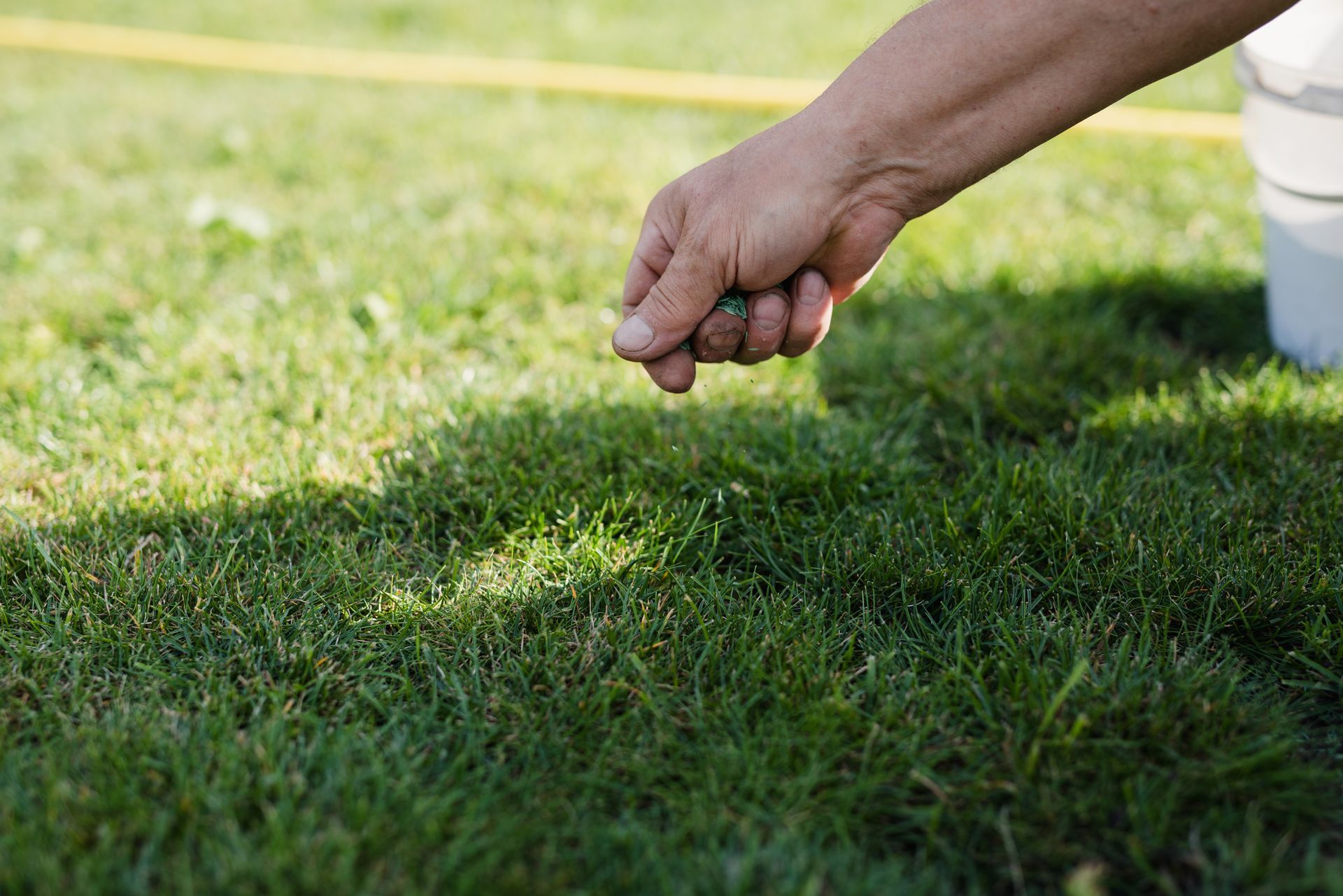
Aeration equipment pulls cores from the soil, leaving small holes across the lawn that relieve compaction and create pathways for resources to reach roots. Overseeding applies grass seed over the aerated surface, where it falls into the holes and makes direct contact with soil rather than sitting on top of thatch. The seed germinates faster because it has immediate access to moisture and nutrients in the newly opened channels.
After the service is complete, you'll see soil plugs scattered across the lawn—they break down naturally within a few weeks as rain and mowing incorporate them back into the turf. New grass begins to emerge within ten to fourteen days, gradually filling in bare spots and increasing overall turf thickness. The lawn becomes noticeably fuller within six weeks, and the improved root structure makes the grass more resistant to drought stress and disease pressure.
Aeration and overseeding work best when scheduled during active growing seasons—fall for cool-season grasses and late spring for warm-season varieties. The service does not include soil amendments or fertilizer application, though those treatments can be added depending on soil test results and turf health.
Common Questions About Lawn Aeration and Seeding
Property owners typically ask about timing, visible results, and how the process integrates with other lawn care practices before scheduling this service.
What does aeration actually accomplish in compacted soil?
Aeration removes small cores of soil to create channels that allow water, oxygen, and nutrients to reach deeper root zones that compaction has cut off.
How long does it take for overseeded areas to show growth?
New grass typically germinates within ten to fourteen days, with noticeable coverage improvement visible after six weeks if watering and mowing schedules are maintained.
Why is fall often recommended for this service in Texarkana?
Fall temperatures and moisture levels support seed germination without the heat stress that weakens young grass in summer, giving new turf time to establish before winter.
Can aeration damage sprinkler lines or irrigation systems?
Professional aeration equipment is designed to avoid utility damage, but any known shallow lines should be marked before the service begins.
What lawn care is required after aeration and overseeding?
Consistent watering to keep the soil moist is critical for the first two weeks, and mowing should be delayed until new grass reaches at least three inches in height.
Moe In Lawn Bros schedules aeration and overseeding as a seasonal service designed to restore lawn density and support long-term turf health. Contact the team to review your lawn's current condition and plan the service during optimal growing windows for your grass type.